

Creating Safe Spaces for Young People from All Backgrounds
- FAKTOR a Jövő Közösségéért Egészségügyi és Sportegyesület

- May 18
- 2 min read
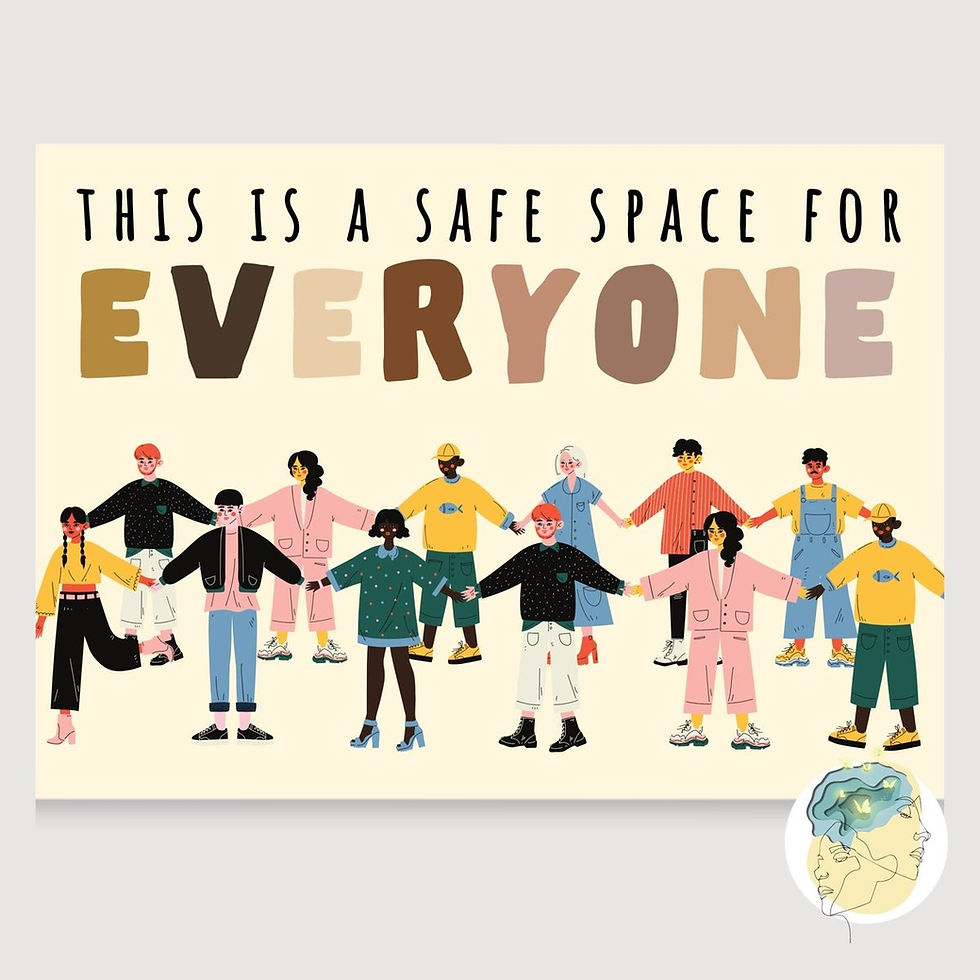
Safe spaces are essential for the healthy development, inclusion, and well-being of young people. They are environments where individuals feel respected, accepted, and free to express themselves without fear of discrimination, judgment, or exclusion. Creating such spaces is especially important in diverse societies where young people come from different cultural, social, and economic backgrounds.
A safe space is not only a physical location but also a social and emotional environment. It is built on trust, respect, and understanding. In these spaces, young people are encouraged to share their experiences, participate actively, and develop their identity in a supportive setting. This sense of belonging is crucial for building confidence and emotional resilience.
For refugees, migrants, and marginalized youth, safe spaces can be life-changing. Many of these young people face barriers such as language differences, cultural adaptation challenges, and social exclusion. Providing inclusive environments helps them integrate into society, build new friendships, and access opportunities in education, sports, and community life.
Education and sports are powerful tools for creating safe spaces. In educational settings, inclusive teaching methods, peer support, and non-discriminatory practices ensure that all students feel valued. In sports, teamwork and shared goals help break down social barriers and encourage cooperation among participants from different backgrounds.
Youth organizations and community initiatives play a key role in developing and maintaining safe spaces. Through workshops, mentoring programs, and social activities, they provide structured opportunities for young people to connect, learn, and grow together. Trained professionals and volunteers help ensure that these environments remain supportive and inclusive.
Organizations such as We As One contribute to this mission by promoting social inclusion, equality, and participation for young people from all backgrounds. Through their activities, they help create environments where diversity is respected and everyone has the opportunity to belong.
Creating safe spaces also involves addressing harmful behaviors such as bullying, discrimination, and exclusion. Clear rules, awareness campaigns, and open communication are necessary to ensure that all participants feel protected and respected.
Ultimately, safe spaces allow young people to develop their full potential. When individuals feel secure and included, they are more likely to engage, learn, and contribute positively to society. Building such environments is a shared responsibility that strengthens communities and supports a more inclusive future for everyone.


