The Power of Sport and Education in Youth Integration
- FAKTOR a Jövő Közösségéért Egészségügyi és Sportegyesület

- Apr 30
- 2 min read
Updated: May 11

In increasingly diverse societies, youth integration has become both a priority and a challenge. Young people from different cultural, social, and economic backgrounds often face barriers to inclusion, particularly those who are migrants or refugees. Sport and education, when combined, offer effective and practical tools to overcome these barriers and foster a sense of belonging.
Sport provides a universal language that transcends cultural and linguistic differences. Through team activities and shared goals, young people learn cooperation, respect, and mutual understanding. Participation in sports helps break down stereotypes and creates natural opportunities for interaction, making it easier for individuals from different backgrounds to connect.
Education complements this process by providing knowledge, structure, and long-term opportunities. Access to quality education enables young people to develop essential skills, gain confidence, and better understand their environment. For migrant and refugee youth, education also plays a key role in language acquisition and cultural adaptation, which are critical for successful integration.
When sport and education are combined, their impact becomes even stronger. Programs that integrate physical activities with learning environments create spaces where young people can develop both socially and intellectually. These initiatives encourage active participation, teamwork, and personal growth while supporting academic development.
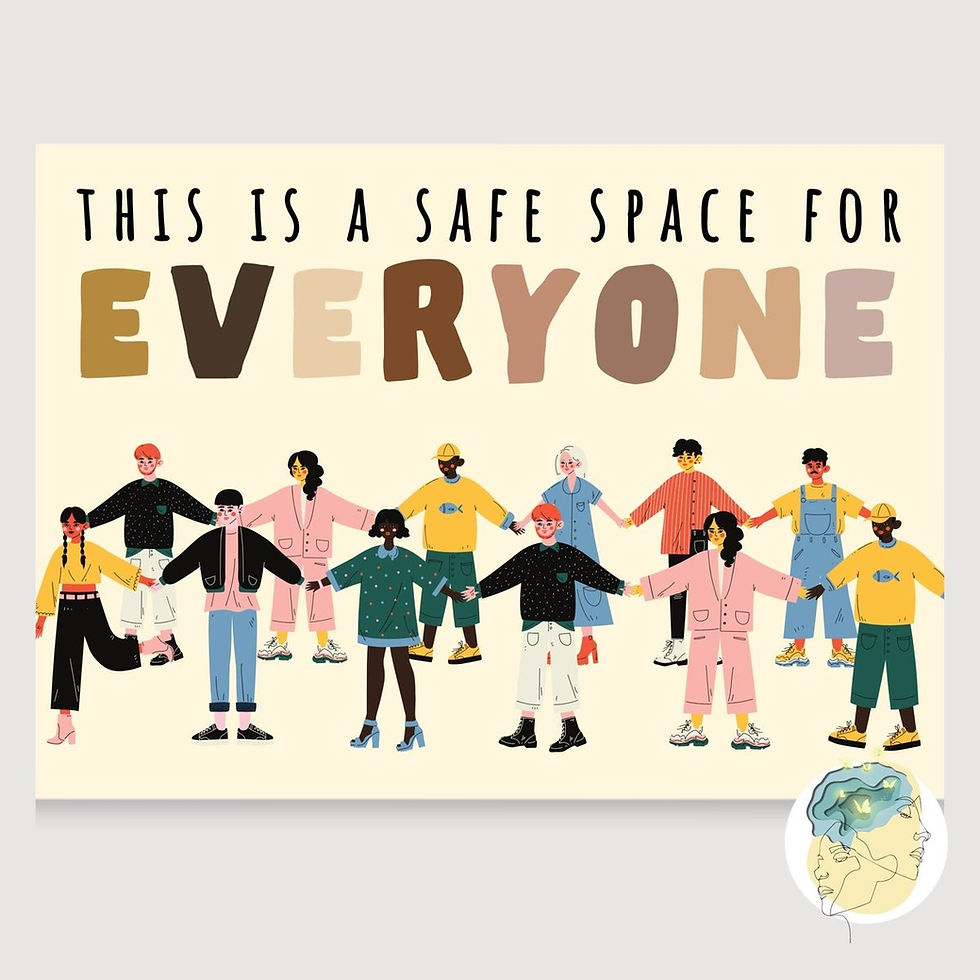
Another important aspect is the role of inclusive environments. Creating spaces where young people feel safe, respected, and valued is essential for integration. Organizations, schools, and community groups must work together to ensure that opportunities in sport and education are accessible to all, regardless of background or circumstance.
Volunteers and youth workers also play a crucial role in this process. Their support, guidance, and mentorship help young people navigate challenges and build confidence. By acting as role models, they contribute to creating positive experiences that strengthen social bonds and encourage active participation in community life.
In conclusion, sport and education are powerful tools for youth integration. Together, they not only support personal development but also promote social cohesion and mutual understanding. By investing in inclusive programs that combine these elements, societies can build stronger, more connected communities where every young person has the opportunity to thrive.