From Diversity to Unity: The Role of Sports in Social Integration
- FAKTOR a Jövő Közösségéért Egészségügyi és Sportegyesület

- Apr 16
- 2 min read

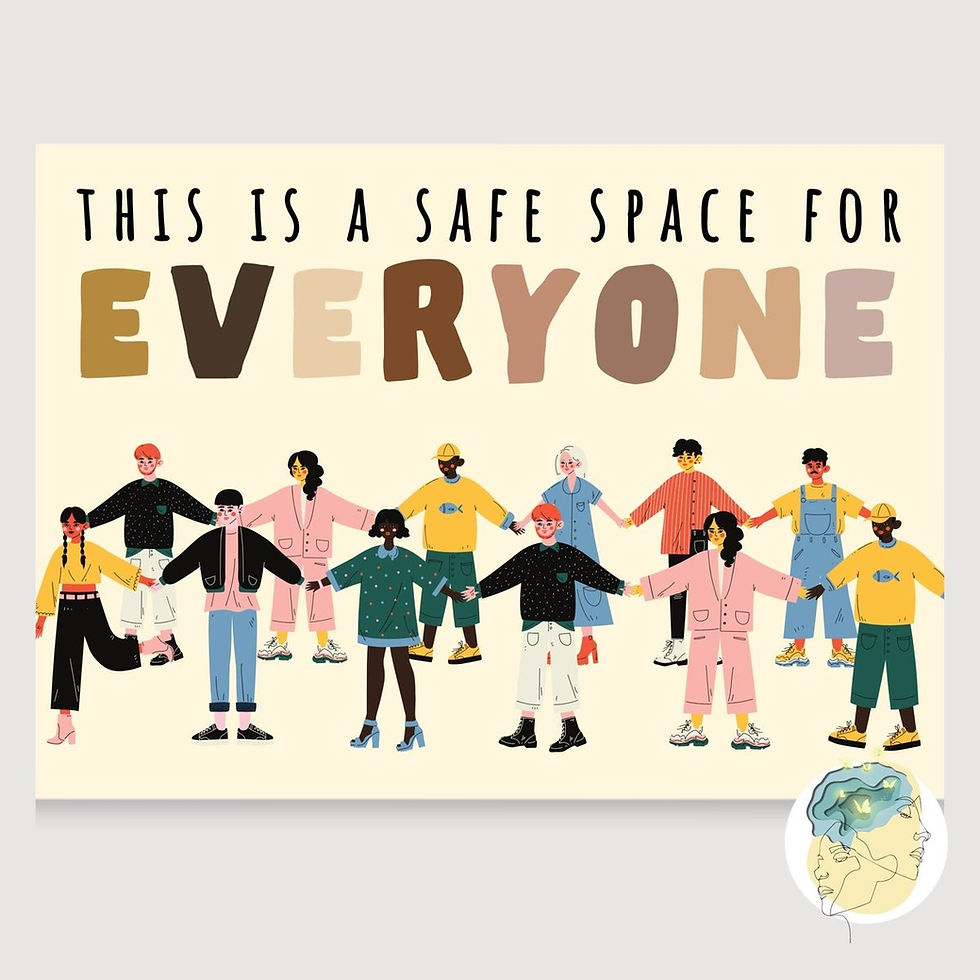
In today’s diverse societies, integration and social cohesion have become essential priorities. People from different cultural, ethnic, and social backgrounds often face challenges in building connections and finding a sense of belonging. Sports, however, offer a unique and powerful platform where differences are set aside and teamwork becomes the common language. Through shared goals and collective effort, sports create natural environments for unity and understanding.
Sports play a significant role in breaking down social barriers. On the field, individuals are not defined by their nationality, background, or social status, but by their contribution to the team. This equalizing nature of sports helps reduce prejudice and encourages mutual respect. Especially for young people, participation in sports activities can be a transformative experience that fosters inclusion and builds confidence.
For refugee and migrant youth, sports can be a crucial pathway to social integration. It provides them with opportunities to connect with local communities, improve communication skills, and adapt to new environments in a supportive setting. Beyond physical activity, sports become a space where friendships are formed, cultural exchange takes place, and feelings of isolation are reduced.
However, the impact of sports on social integration is maximized when it is combined with education and structured community support. Organizations and associations play an important role in creating accessible programs that include disadvantaged groups. Through training sessions, awareness campaigns, and volunteer initiatives, they ensure that sports become a tool for inclusion rather than exclusion.
Ultimately, sports are more than competition—they are a bridge between diversity and unity. By bringing people together in a shared space of cooperation and respect, sports contribute to building stronger, more inclusive societies. When embraced as a social tool, they have the power to transform differences into strength and create lasting connections across communities.