Sport as a Bridge: How Physical Activity Accelerates Social Integration
- FAKTOR a Jövő Közösségéért Egészségügyi és Sportegyesület

- Mar 17
- 2 min read

In increasingly diverse societies, the challenge of social integration continues to grow, particularly for refugees and migrants who often face language barriers, cultural differences, and social isolation. Sport has emerged as a powerful and universal tool to address these challenges. Unlike many traditional integration methods, physical activity does not rely heavily on verbal communication. A shared game, a team objective, or even a simple training session can create immediate connections, allowing individuals from different backgrounds to interact naturally and build trust.
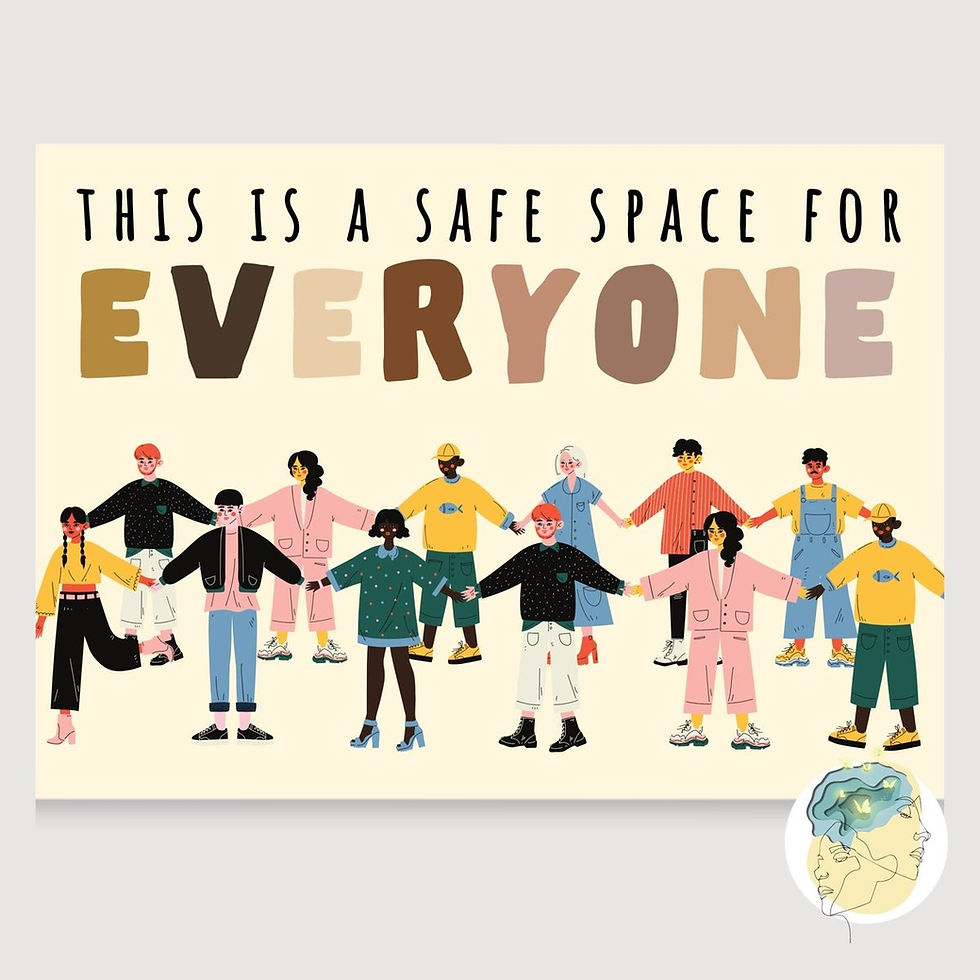
One of the key strengths of sport lies in its ability to create equal ground. On the field, factors such as nationality, language, or socio-economic status become secondary to teamwork, effort, and shared goals. This environment fosters mutual respect and understanding, enabling participants to see each other beyond stereotypes or preconceived notions. For young refugees and migrants, this can be particularly transformative, as it provides a safe space where they are valued for their abilities and contributions rather than defined by their circumstances.
Beyond social interaction, physical activity also plays a significant role in improving mental health and emotional well-being. Many young people from disadvantaged backgrounds experience stress, trauma, or a sense of displacement. Engaging in sport helps reduce anxiety, build confidence, and restore a sense of normalcy. Structured sports programs, especially those combined with mentorship and guidance, can further support personal development by teaching discipline, resilience, and leadership skills, qualities that are essential for successful integration into society.
Sport also acts as a gateway to broader social participation. Through involvement in teams, clubs, and community events, young people are more likely to engage in other areas such as education, volunteering, and civic activities. This holistic engagement strengthens their connection to the community and encourages active citizenship. Moreover, inclusive sports initiatives often bring together local residents and newcomers, creating opportunities for dialogue and cultural exchange that extend far beyond the playing field.
Ultimately, sport is more than just physical activity, it is a catalyst for inclusion, empowerment, and social cohesion. When supported by well-designed programs and inclusive policies, it has the potential to break down barriers and build stronger, more connected communities. For organizations working in the field of youth development and social inclusion, investing in sport-based initiatives is not just beneficial it is essential for creating lasting, meaningful impact.