Sports for Inclusive Societies: How It Reduces Discrimination
- FAKTOR a Jövő Közösségéért Egészségügyi és Sportegyesület

- Apr 7
- 2 min read
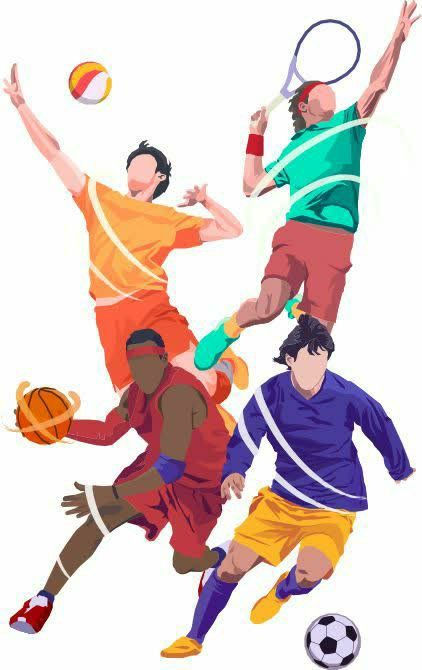
In increasingly diverse societies, building inclusion and reducing discrimination remain critical challenges. Sport offers a practical and accessible pathway to address these issues. Regardless of language, nationality, or background, people can connect through shared rules, teamwork, and common goals. This unique ability makes sport a powerful social tool for bringing individuals together and creating a sense of unity.
One of the key strengths of sport is its capacity to break down cultural barriers. When individuals from different backgrounds participate in the same team or activity, they interact naturally and develop mutual understanding. These interactions help challenge stereotypes and replace prejudice with real-life experiences. Over time, consistent engagement fosters respect and empathy, which are essential for inclusive communities.
Sport also provides a safe and structured environment where values such as fairness, respect, and cooperation are actively practiced. Through participation, especially at a young age, individuals learn to appreciate diversity and work collaboratively despite differences. These experiences contribute to shaping more open-minded attitudes that extend beyond the playing field into everyday life.
For disadvantaged groups, including migrants and refugees, sport can play a significant role in social integration. It offers opportunities to build social networks, gain confidence, and feel a sense of belonging in a new environment. Community-based sports programs, in particular, can serve as entry points for participation in broader social and cultural activities, helping individuals become active members of society.
In conclusion, sport is more than just physical activity; it is a powerful mechanism for social change. By promoting interaction, understanding, and shared values, it can effectively reduce discrimination and strengthen social cohesion. Investing in inclusive sports initiatives is therefore not only beneficial for individual well-being but also essential for building more equitable and harmonious societies.