Active Life, Active Future: Empowering Young People Through Sport, Health and Intercultural Learning
- FAKTOR a Jövő Közösségéért Egészségügyi és Sportegyesület

- May 9, 2024
- 2 min read


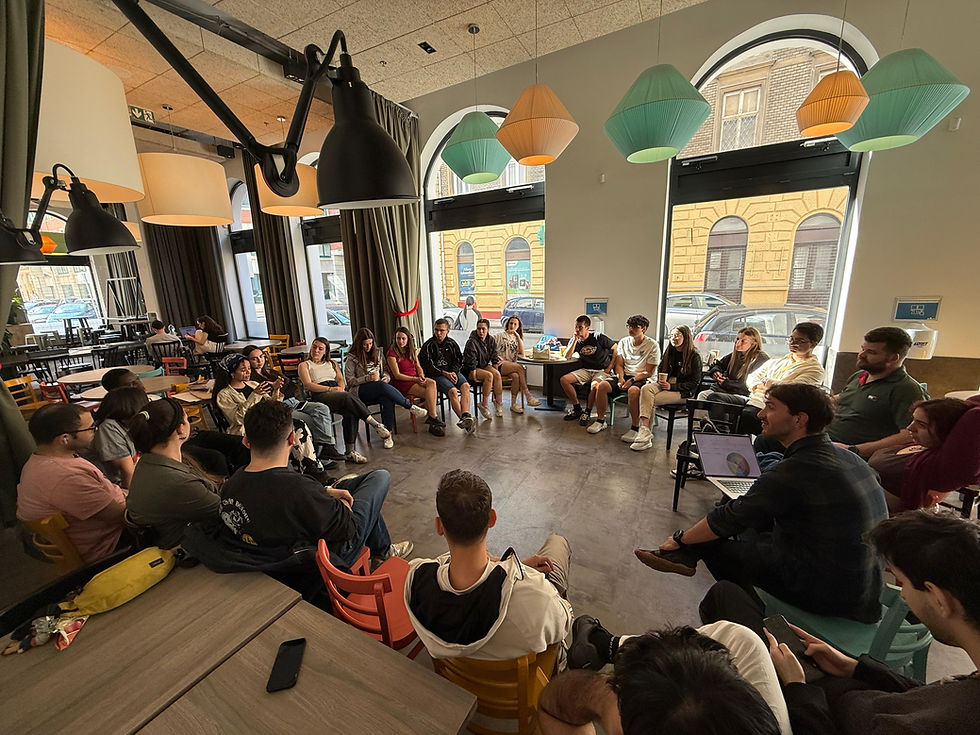
Active Life, Active Future (Project No: 2023-3-AT01-KA152-YOU-000177084) was implemented as an Erasmus+ Youth Exchange in Klagenfurt, Austria, between 2–8 May 2024, coordinated by FI Gesundheits- und Sportverein. The project brought together participants from Austria, Bulgaria, Czechia, Hungary, Italy, Türkiye while FAKTOR Community Health and Sport Association participated as the Hungarian partner organisation.
Through a comprehensive programme based on non-formal education, participants explored the importance of healthy lifestyles, physical activity, environmental awareness and intercultural dialogue while developing valuable personal, social and professional competences.
Throughout the exchange, participants engaged in a wide variety of interactive activities designed to strengthen communication, teamwork and mutual understanding. Ice-breaking games, socialisation activities, creative workshops and collaborative challenges encouraged young people to work together across cultures while building trust and confidence. Using methods such as group work, brainstorming, dialogue, observation and experiential learning, participants improved their communication, leadership and problem-solving skills in an inclusive international environment.
The project also highlighted environmental sustainability and active citizenship. Participants explored practical ways to reduce their carbon footprint, discussed climate-conscious lifestyle choices and examined how sport and environmental responsibility can support one another. Community-based activities, stakeholder meetings and social research experiences allowed participants to observe real-life practices, analyse social behaviour and better understand the importance of cooperation between young people, organisations and local communities in creating healthier and more sustainable societies.
Intercultural exchange remained one of the project's strongest outcomes. Culture nights, traditional sports presentations, documentary activities and collaborative discussions provided participants with opportunities to celebrate cultural diversity while learning from one another's experiences. Daily reflection sessions and evaluation activities encouraged continuous learning, constructive feedback and personal development throughout the mobility. By the end of the project, participants returned home with stronger intercultural competences, increased environmental awareness, improved communication and leadership skills, and a deeper understanding of how sport can serve as a powerful tool for education, inclusion, health promotion and international cooperation.